
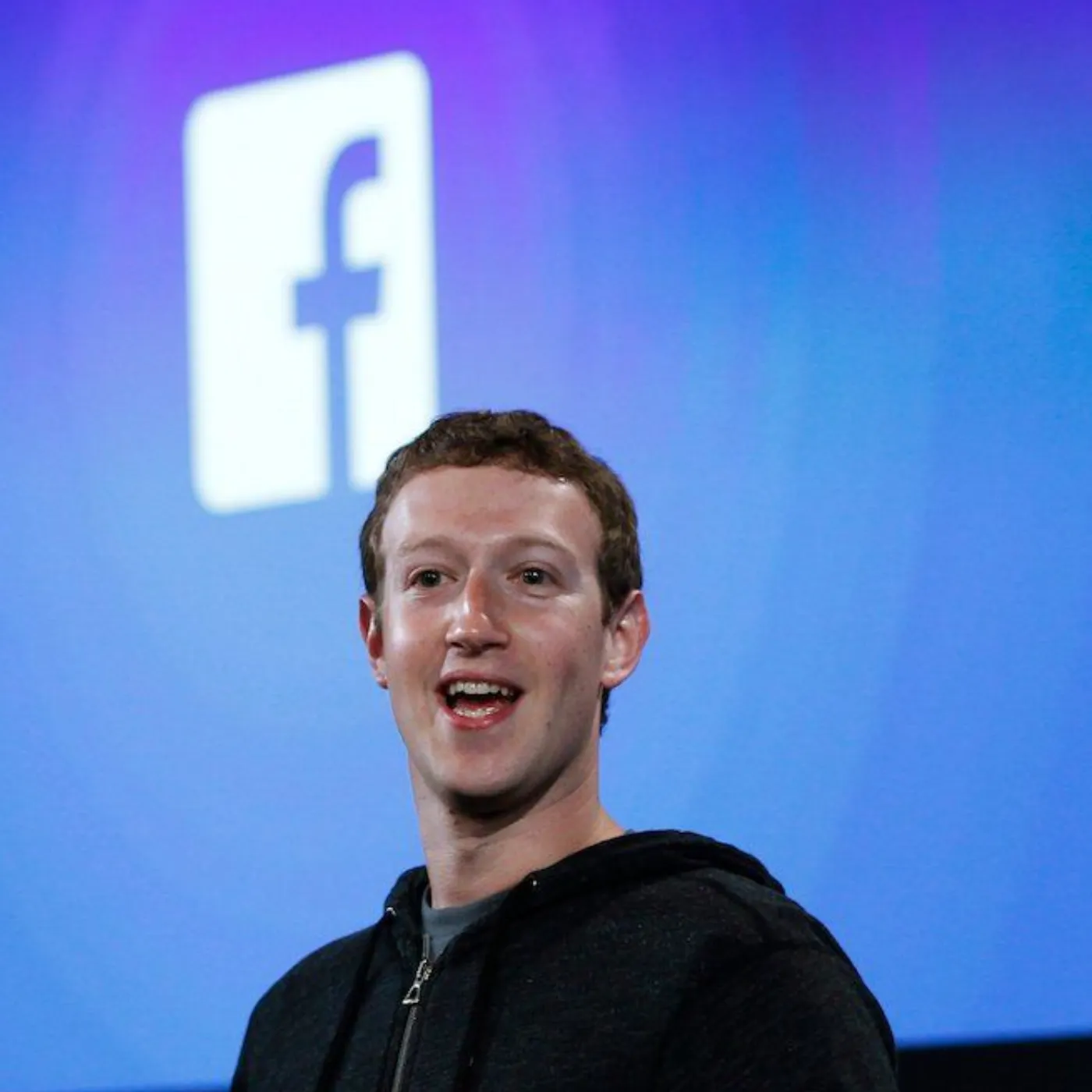
Mark Zuckerberg, the face of Facebook (now Meta), has long been heralded as a visionary entrepreneur, someone who revolutionized how the world communicates. But behind the shiny façade of social media’s convenience and connectivity lies a much darker truth—a truth that could potentially change the way we see not only Zuckerberg’s empire but also the very fabric of the digital world we live in. What if social media, as we know it, isn’t simply a tool for engagement but rather a weapon—a weapon of manipulation that could control the masses and sway global events?
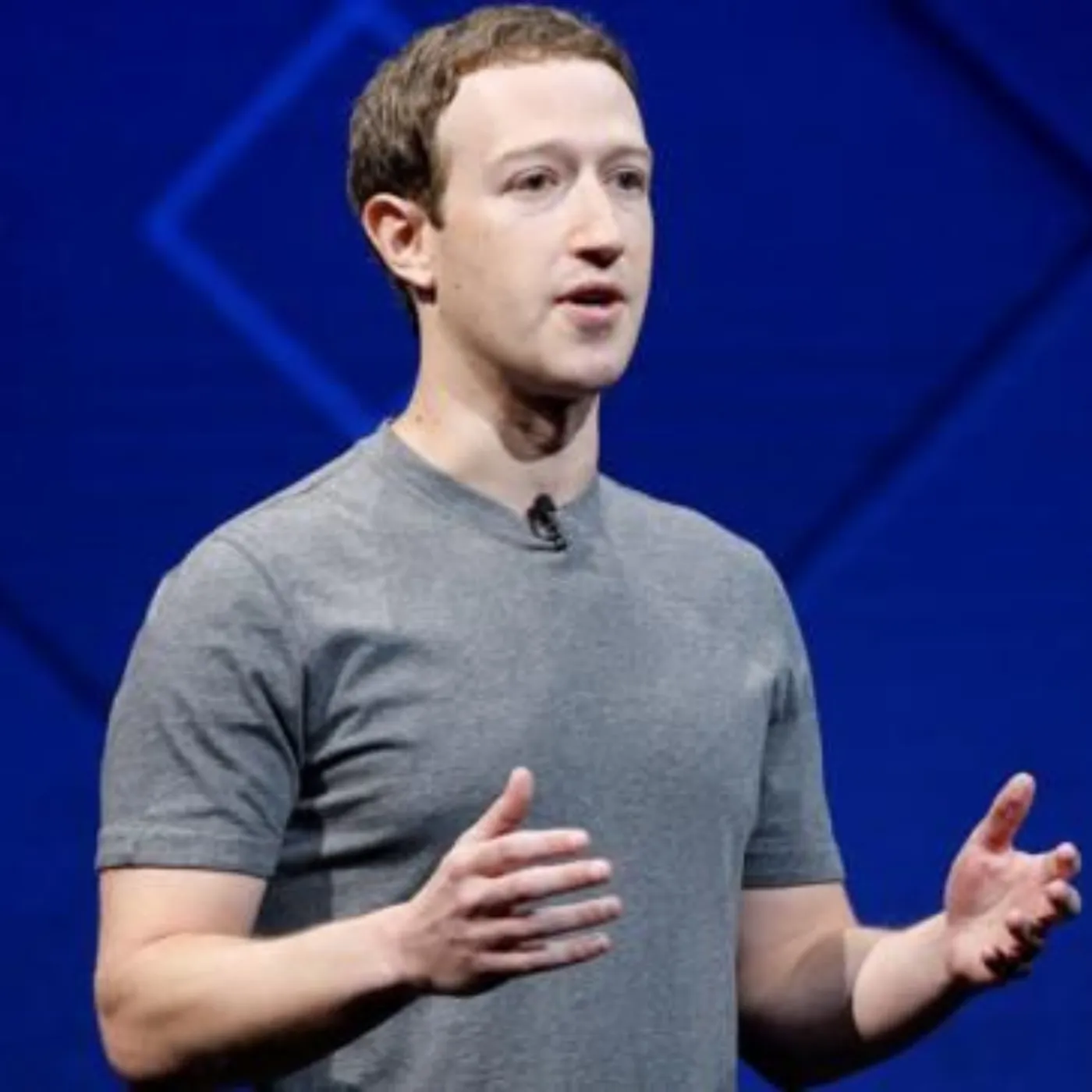
When Facebook was first launched in 2004, Zuckerberg and his co-founders touted the platform as a way to “connect the world.” But it wasn’t long before Facebook’s capabilities began to surpass mere social interaction. The platform evolved into something much more powerful—a tool capable of collecting an unprecedented amount of personal data from billions of users. This data, in turn, became the key to not only Zuckerberg’s wealth but also his influence.
Zuckerberg’s “lucky” break came when advertisers saw the incredible potential of Facebook’s vast user base. But it wasn’t just the number of users that mattered—it was the ability to target those users in ways that were previously unimaginable. Every click, like, comment, and share was a data point that revealed something crucial about an individual. This data-driven model wasn’t just about increasing revenue—it allowed Facebook to manipulate behavior on an individual scale and influence actions on a global scale.
The now-famous algorithms, designed to keep users engaged, didn’t simply focus on engagement—they also exploited psychological triggers. What Zuckerberg and his company realized was that they could tap into deep-rooted human emotions—fear, desire, anger, and happiness—and use these emotions to keep users scrolling, clicking, and interacting. These algorithms aren’t simply about engagement; they’re about control.
The Weaponization of Social Media
Facebook’s growth as a platform is nothing short of astounding. But its real power doesn’t lie in just the number of users or the revenue generated from ads. The true power of Facebook and other platforms like Instagram and WhatsApp under the Meta umbrella, comes from its ability to control the flow of information. This flow of information can be manipulated in ways that allow Zuckerberg to shape public perception, influence elections, and alter the course of history.
In fact, the events that have unfolded in recent years—including the controversy surrounding the 2016 U.S. presidential election and the rise of fake news—point directly to the weaponization of social media. By feeding users content that aligns with their beliefs, algorithms create “filter bubbles” that isolate individuals from opposing viewpoints, making them more susceptible to extreme ideologies. This isn’t by chance—it’s part of a calculated effort to divide and conquer.
Zuckerberg’s empire has enabled world leaders, corporations, and even malicious actors to exploit these very algorithms for political and financial gain. The shocking reality is that social media platforms are used as tools for psychological warfare, influencing public opinion on a massive scale.
Global Manipulation: The Unseen Influence
What makes this even more insidious is the way that global events are affected by this unseen force. Think about the Arab Spring, Brexit, or even the rise of authoritarian regimes across the globe. Social media played a pivotal role in shaping these movements, whether by amplifying dissenting voices or spreading disinformation. The power to create chaos or suppress resistance is now in the hands of those who control the platforms.
Zuckerberg’s Meta empire, with its vast network of interconnected apps and data, has the potential to alter the very fabric of democracy itself. The decisions made in the hidden corners of these platforms, such as which posts get promoted, which stories go viral, and which voices are suppressed, have the potential to sway elections, policy decisions, and even the outcome of wars.
The true extent of Zuckerberg’s influence is still being uncovered. But what is clear is that the rise of social media has fundamentally changed how power operates on a global scale. Through carefully crafted algorithms and data-driven decisions, Zuckerberg wields the kind of influence that most world leaders would envy.
The Great Illusion: How Zuckerberg Sells His Product


0 Comments